Table of Contents
-
Organic Sustainable Winter Fabrics
-
Why Organic Corduroy Matters (GOTS)
- This Double-certification approach gives B2B clients flexibility while maintaining credibility and traceability across different product lines.
- GOTS – Global Organic Textile Standard
- GOTS: For fully organic corduroy ranges.
- Hemp Corduroy Fabric 11 Wales Corduroy Fabrics Hemp Fabrics Sustainable Fabrics catalogue $15.00 Original price was: $15.00.$11.00Current price is: $11.00.
- Corduroy Fabrics Hemp Fabrics Sustainable Fabrics catalogue $15.00 Original price was: $15.00.$11.00Current price is: $11.00.
- Hemp Corduroy 11 Wales Fabric Corduroy Fabrics Hemp Fabrics Sustainable Fabrics catalogue $15.00 Original price was: $15.00.$10.00Current price is: $10.00.
- Corduroy Fabrics Hemp Fabrics Sustainable Fabrics catalogue $15.00 Original price was: $15.00.$10.00Current price is: $10.00.
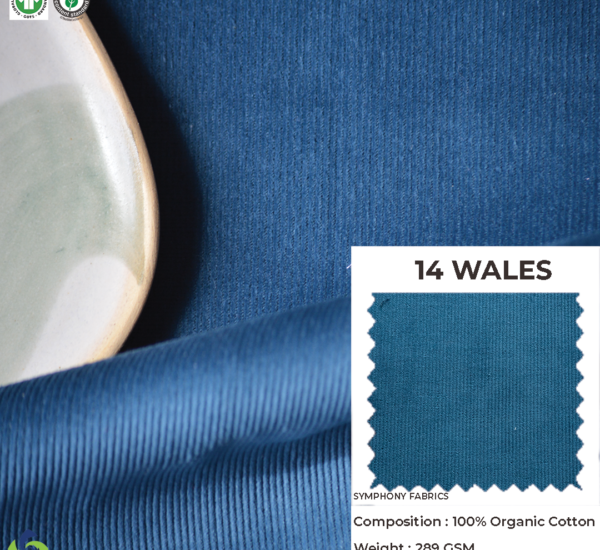
- Organic Corduroy Fabric 14 Wales Corduroy Fabrics Sustainable Fabrics catalogue $11.00 Original price was: $11.00.$9.00Current price is: $9.00.
- Corduroy Fabrics Sustainable Fabrics catalogue $11.00 Original price was: $11.00.$9.00Current price is: $9.00.
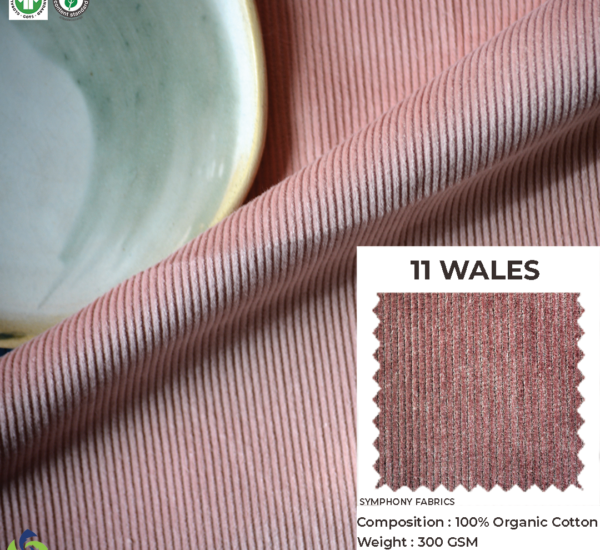
- Organic Corduroy Fabric 11 Wales (Salmon Pink) Corduroy Fabrics Sustainable Fabrics catalogue $10.00 Original price was: $10.00.$6.50Current price is: $6.50.
- Corduroy Fabrics Sustainable Fabrics catalogue $10.00 Original price was: $10.00.$6.50Current price is: $6.50.
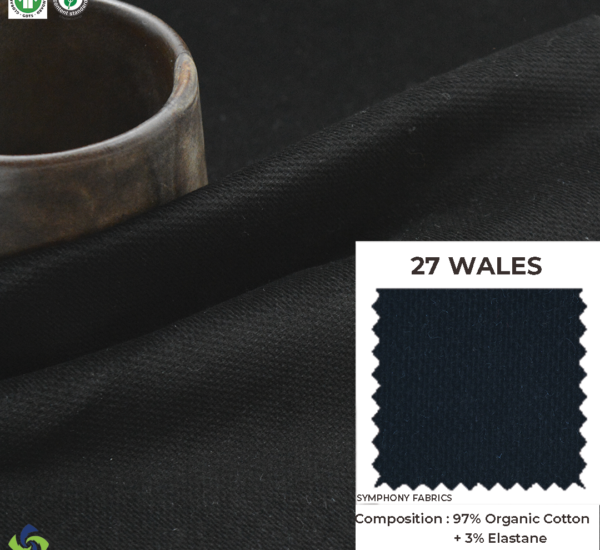
- Organic Corduroy Fabric 27 Wales (Black Cord) Corduroy Fabrics Sustainable Fabrics catalogue $11.00 Original price was: $11.00.$6.00Current price is: $6.00.
- Corduroy Fabrics Sustainable Fabrics catalogue $11.00 Original price was: $11.00.$6.00Current price is: $6.00.
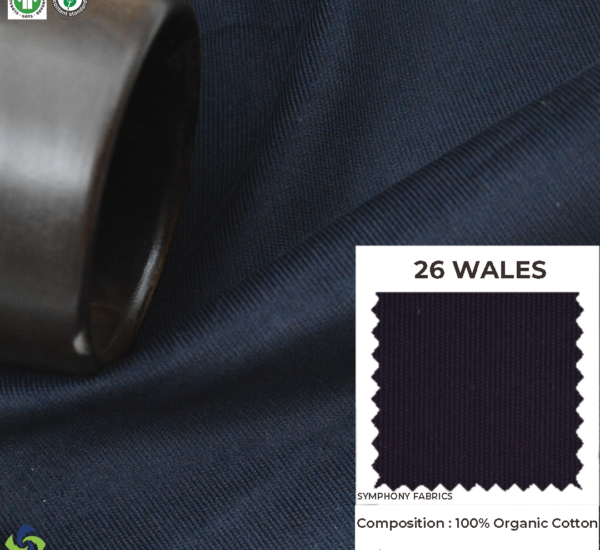
- Organic Corduroy Fabric 26 Wales (Black) Corduroy Fabrics Sustainable Fabrics catalogue $5.00
- Corduroy Fabrics Sustainable Fabrics catalogue $5.00
- Sustainable winter fabrics: hemp is the unsung hero
-
European Flax Linen: Not Just for Summer
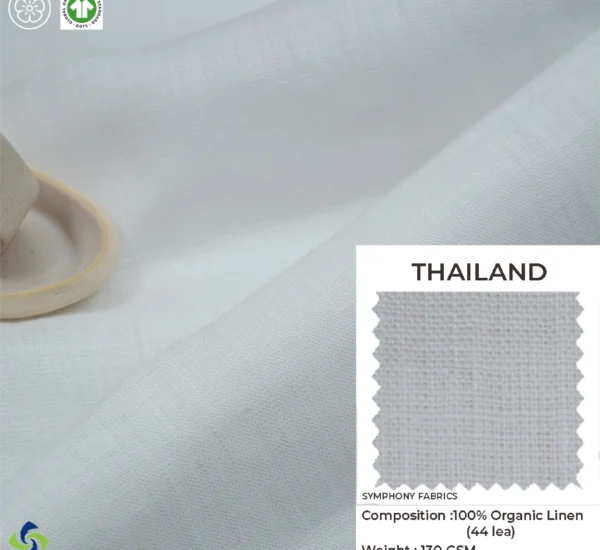
- Thailand – 44 Lea (100% Organic Linen Fabric) Organic Linen fabric (GOTS Certified) Sustainable Fabrics catalogue $15.00 Original price was: $15.00.$7.50Current price is: $7.50.
- Organic Linen fabric (GOTS Certified) Sustainable Fabrics catalogue $15.00 Original price was: $15.00.$7.50Current price is: $7.50.
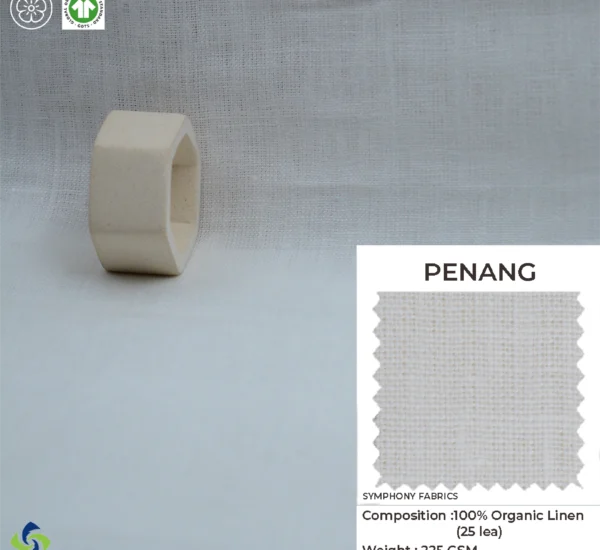
- Penang – 25 Lea (100% Organic Linen Fabric) Organic Linen fabric (GOTS Certified) Sustainable Fabrics catalogue $15.00 Original price was: $15.00.$7.50Current price is: $7.50.
- Organic Linen fabric (GOTS Certified) Sustainable Fabrics catalogue $15.00 Original price was: $15.00.$7.50Current price is: $7.50.
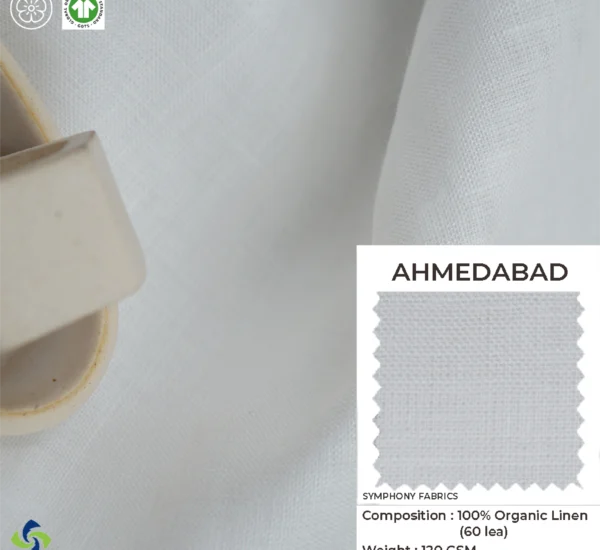
- Israel – 60 Lea (100% Organic Linen Fabric) Organic Linen fabric (GOTS Certified) Sustainable Fabrics catalogue $15.00 Original price was: $15.00.$7.50Current price is: $7.50.
- Organic Linen fabric (GOTS Certified) Sustainable Fabrics catalogue $15.00 Original price was: $15.00.$7.50Current price is: $7.50.
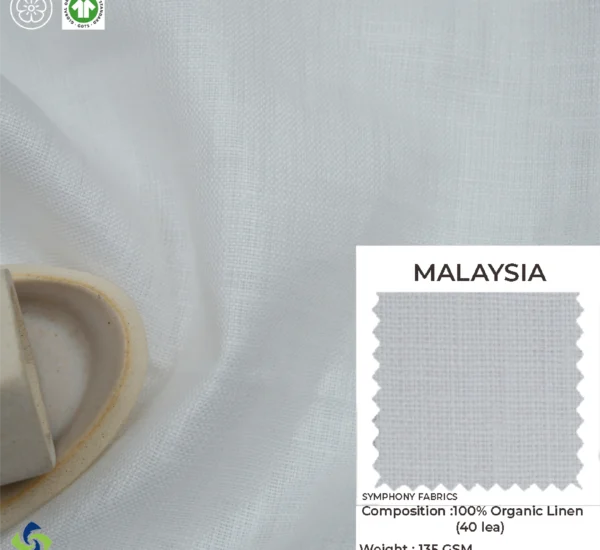
- Malaysia – 40 Lea (100% Organic Linen Fabric) Organic Linen fabric (GOTS Certified) Sustainable Fabrics catalogue $15.00 Original price was: $15.00.$7.50Current price is: $7.50.
- Organic Linen fabric (GOTS Certified) Sustainable Fabrics catalogue $15.00 Original price was: $15.00.$7.50Current price is: $7.50.
-
Corduroys FAQ
- What is the difference between GOTS Certifications?
- When should a brand use GOTS?
- Is Corduroy Fabric Good for Summer?
- Is organic corduroy really warm enough for cold weather?
- Why choose sustainable organic corduroy instead of normal corduroy?
- How do I care for organic corduroy fabric so it lasts longer?
- is corduroy shirt good for summer?
- Hemp Fabric FAQ
Organic Sustainable Winter Fabrics
Texture, comfort and mindful choices are everything for winter 2026. Fabrics Once a lackluster segment in the arsenal of sustainable fashion, certified organic fibers are truly becoming viable options that support environmental claims on the runway.
Whether you’re a brand, designer or manufacturer. If warmth and style were once enough, customers now require proof of sustainability. The demand for certifications like GOTS and OCS has made markets such as the USA, the EU, and the UK a mandate.
Symphony Fabrics is an organic corduroys and sustainable fabrics manufacturer that intersects trend, performance, and responsibility. The below guide will help you pick the best winter fabrics for 2026 collections, whether your brand is all about tailored office wear, relaxed streetwear or premium designer capsules.
The Return of Corduroy – And It’s Stronger Than Ever
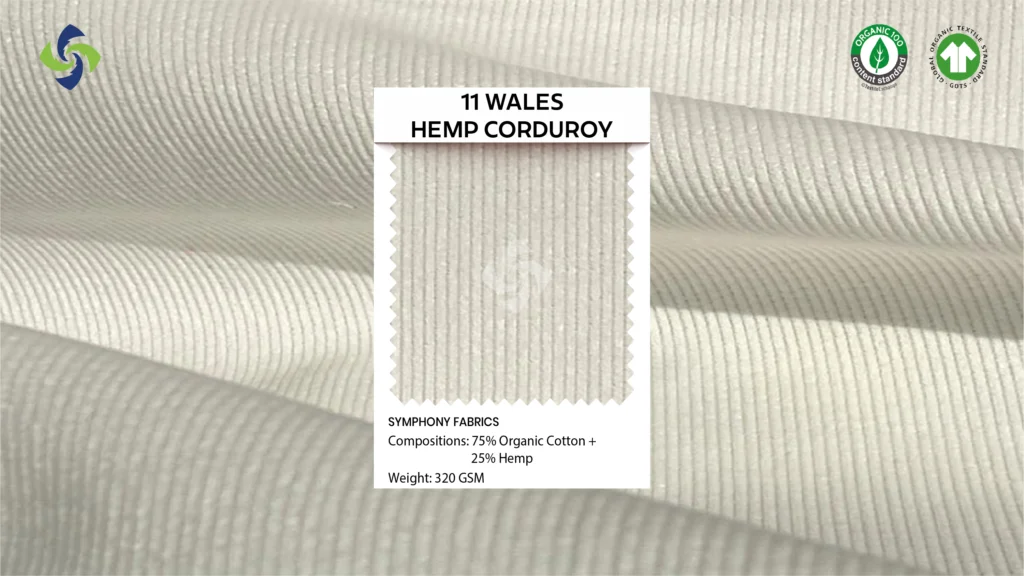
Corduroy is making a comeback, driven by a mix of 70s nostalgia, workwear aesthetics, and long-lasting clothing demands.
1. Texture that matches the aesthetics of 2025–26
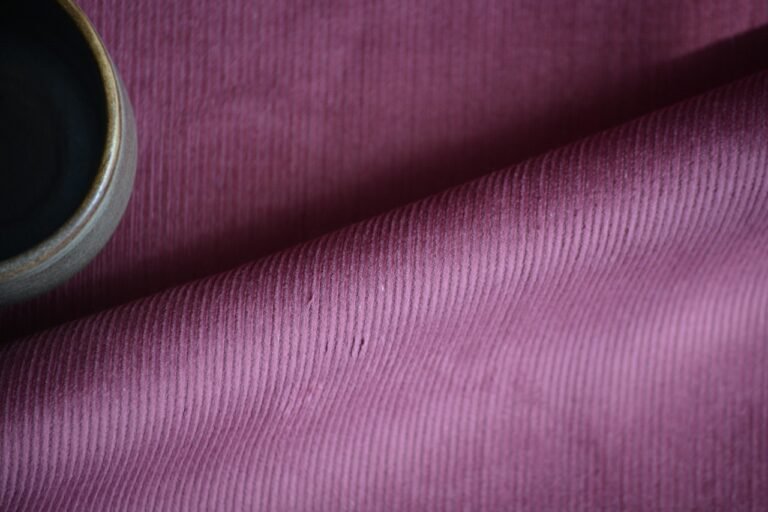
Shoppers like things they can touch and feel and are cozy and pretty to look at. Combined with winter lighting and heavier garments, corduroyʼs vertical wales bring depth and personality that no flat weave can match.
Fine-wale corduroy is appropriate for more polished items, such as tailored trousers and blazers.
Mid-wale and wide-wale corduroy connotes an even more vintage and workwear vibe that’s great for outerwear or casual silhouettes.
Corduroy trousers plus a jacket are already billed as the must-have leg-up in women’s and men’s smart shops for (Autumn/Winter) 2026.
2. Corduroy Is Built for Real Winter
Beyond style, heavyweight corduroy (around 300–400+ GSM) performs extremely well in cold weather. During the weaving process, the pile structure traps air, providing a soft thermal layer as well as keeping the fabric breathable.
When woven and finished correctly, quality corduroy:
Keeps the wearer warm without requiring excessive layers.
Holds its shape even with repeated use.
Becomes softer and more comfortable with time instead of deteriorating quickly.
3. Fashion is shifting from fast to durable
Several industry studies and sustainability reports show that consumers are turning away from cheap, short-lived clothing toward durable pieces that justify their price.
Corduroy fits perfectly into this mindset:
A well-made corduroy garment can last 10–20+ years with proper care.
The surface hides minor wear better than smooth fabrics.
Over time, the fabric develops a lived-in character that many customers love.
When combined with certified organic cotton and responsible production, corduroy becomes not only a nostalgic fabric, but a modern sustainability story.
Why Organic Corduroy Matters (GOTS)
Just try on a bunch of corduroy. Traditional cotton farming is responsible for a large portion of worldwide insecticide and pesticide use, and non-certified finishing may include toxic chemicals.
To address these concerns, brands are more and more looking for third-party certifications that demonstrate the organic content of a product, responsible sourcing and safe processing.
This Double-certification approach gives B2B clients flexibility while maintaining credibility and traceability across different product lines.

GOTS – Global Organic Textile Standard
The Global Organic Textile Standard (GOTS) is considered the most comprehensive certification for organic textiles.
A GOTS-certified corduroy typically ensures:
At least 100% certified organic fibers.
Strict control over dyes and auxiliaries (no formaldehyde, certain heavy metals, or banned azo dyes).
Independent audits checking the entire supply chain from field to final product.
Social criteria, including fair working conditions.
For 100% organic corduroy products, GOTS is the gold standard that most international retailers recognize.
GOTS: For fully organic corduroy ranges.
Sustainable winter fabrics: hemp is the unsung hero
While corduroy dominates the visual story for winter 2026, hemp is gaining strong attention for its environmental profile and long-term durability.
1. Environmental Performance
Multiple studies highlight hemp as one of the lowest-impact textile fibers currently available at scale.
Compared with conventional cotton, hemp generally:
- Uses significantly less water per kilogram of fiber.
- Requires little to no synthetic pesticides due to its natural resistance.
- Can help improve soil health and is often considered carbon-negative, since the crop absorbs more CO₂ than is emitted in its cultivation and processing.
This profile makes hemp highly attractive for brands that want strong, clear sustainability stories backed by data rather than vague “eco-friendly” claims.
2. Durability and Wear
Hemp fibers are naturally stronger than cotton, with multiple technical sources estimating roughly 3–4 times higher tensile strength, depending on processing.
In practical terms, this means:
- Hemp fabrics can last 20–30 years or more when properly cared for.
- They gradually soften with washing while retaining structural integrity.
- They are resistant to pilling and surface damage.
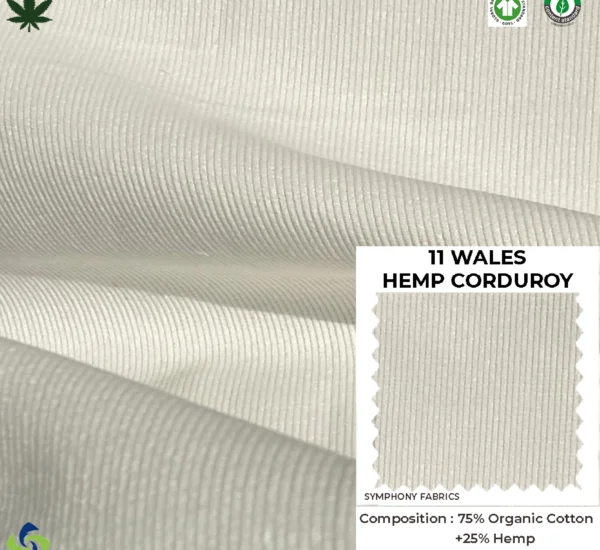
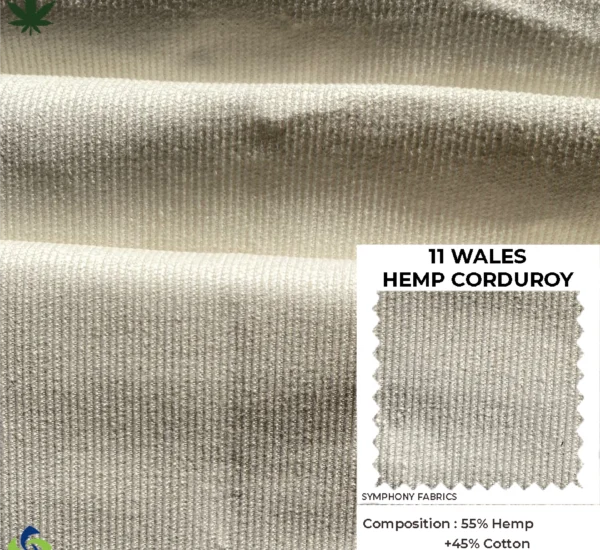
- When combined with structures like corduroy weaves or blended with organic cotton, hemp becomes an outstanding choice for winter garments that need both robustness and comfort.
3. Comfort and Performance
Today’s hemp is nothing like your grandmother’s stiff, scratchy rope. Finishing techniques and blends with cotton or other fibers produce fabrics that feel good next to the skin while also performing well.
For winter use, heavier hemp or hemp blends:
- Provide effective insulation.
- Remain breathable, reducing overheating in heated indoor spaces.
- Naturally resist odors thanks to antimicrobial properties.
- This makes hemp a strong candidate for winter trousers, jackets, and layering pieces where both performance and sustainability matter.


European Flax Linen: Not Just for Summer
Linen is commonly seen as a summer fabric, but heavier-weight European Flax linen is increasingly used for winter layering because of its unique moisture and temperature regulation properties.
1. European Flax Linen: Not Just for Summer
Linen is commonly seen as a summer fabric, but heavier-weight European Flax linen is increasingly used for winter layering because of its unique moisture and temperature regulation properties.
Winter-Weight Linen and Layering
Heavier linen qualites can:
Work as an excellent base or mid-layer, absorbing and releasing moisture efficiently so that the wearer remains comfortable through temperature changes.
Help prevent that “clammy” feeling that can occur with fully synthetic thermal layers.
Among the trend reports — it’s clear that heavier, textured linens and linen blends are used more widely across tailoring, shirting and relaxed separates for cut-and-sew in winter 2025–26, with a focus on natural warm neutrals and muted tones to offset richer fabrics including corduroy.
2. European Flax Certification and Quality Perception
The European Flax label guarantees origin and certain quality standards for linen grown in Western Europe, where flax cultivation has a long-standing tradition.
Buyers often associate European Flax linen with:
High durability and long service life.
Superior drape and hand-feel.
More transparent and regulated farming conditions.
When used alongside certified organic cotton and hemp, European Flax linen offers a premium, long-lasting option for brands that want to position themselves at the higher end of the sustainability and quality spectrum.
Designers & mindful consumers alike are more interested than ever in how their clothes are made, making organic corduroy sustainable winter fabrics the accessory front line on F/W collections. Corduroy is a warm, textured and comfortable fabric, but when produced from certified-organic fibres and managed responsibly it becomes more than just a nostalgic statement — it emerges as a genuinely sustainable story that appeals to contemporary consumers and retailers alike.
From a trend standpoint, winter 2025 is corduroy’s fateful moment. Editors, retailers and runway reports all point to corduroy trousers, jackets and suits as key pieces, the appeal lying in their tactile surface and enduring construction. This is what makes organic corduroy, a sustainable winter fabric, so appealing to brands that want clothing that looks current now but does not feel dated next season. The ribbed texture lends a graphic element to otherwise plain shapes, making even pared-down styles appear lush and considered.
But corduroy is only one character in the story of sustainable fabric. About Symphony Fabrics: Symphony Fabrics is a supplier of 100% Natural & Sustainable range of fabrics like :
All of these items are registered with and verified by our Global Textile Source (GTS) at https://globaltextilesource.com/ Guaranteed for transparency, traceability, nouters to the specific market.
This wearability and environmental impact is where eco corduroy sustainable winter fabrics really shine. Traditional cotton farming is notorious for its heavy use of water and pesticide, but organic cotton corduroy excludes the use of synthetic pesticides and favors cultivation methods that are more gentle to the environment. When mills are also doing their bit on efficient resource use, lower‑impact dyes and better wastewater treatment, corduroy feels like a slow fashion no-moaner rather than heritage aesthetics tourism.
Organic Linen Fabric – GOTS-certified pure linen for premium, fully-transparent sourcing.
Blended Linen with Cotton – A balanced option offering softness and durability at accessible price points.
Bamboo Fabric – A sustainable alternative with exceptional breathability and moisture-wicking.
Hemp Bamboo Blend – The ultimate eco-friendly combination for performance-driven winter wear.
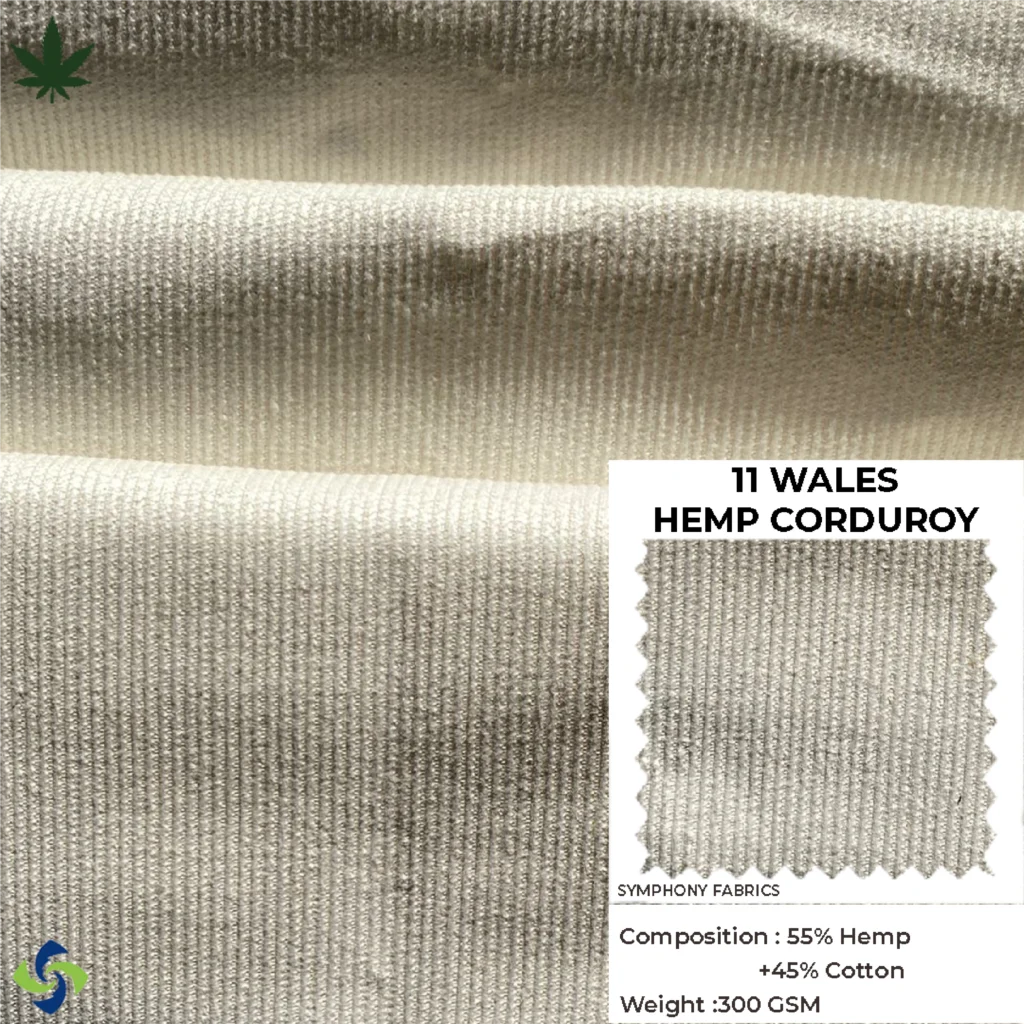
Hemp Corduroy Blend: Combines hemp’s durability and eco-credentials with corduroy’s beloved texture.
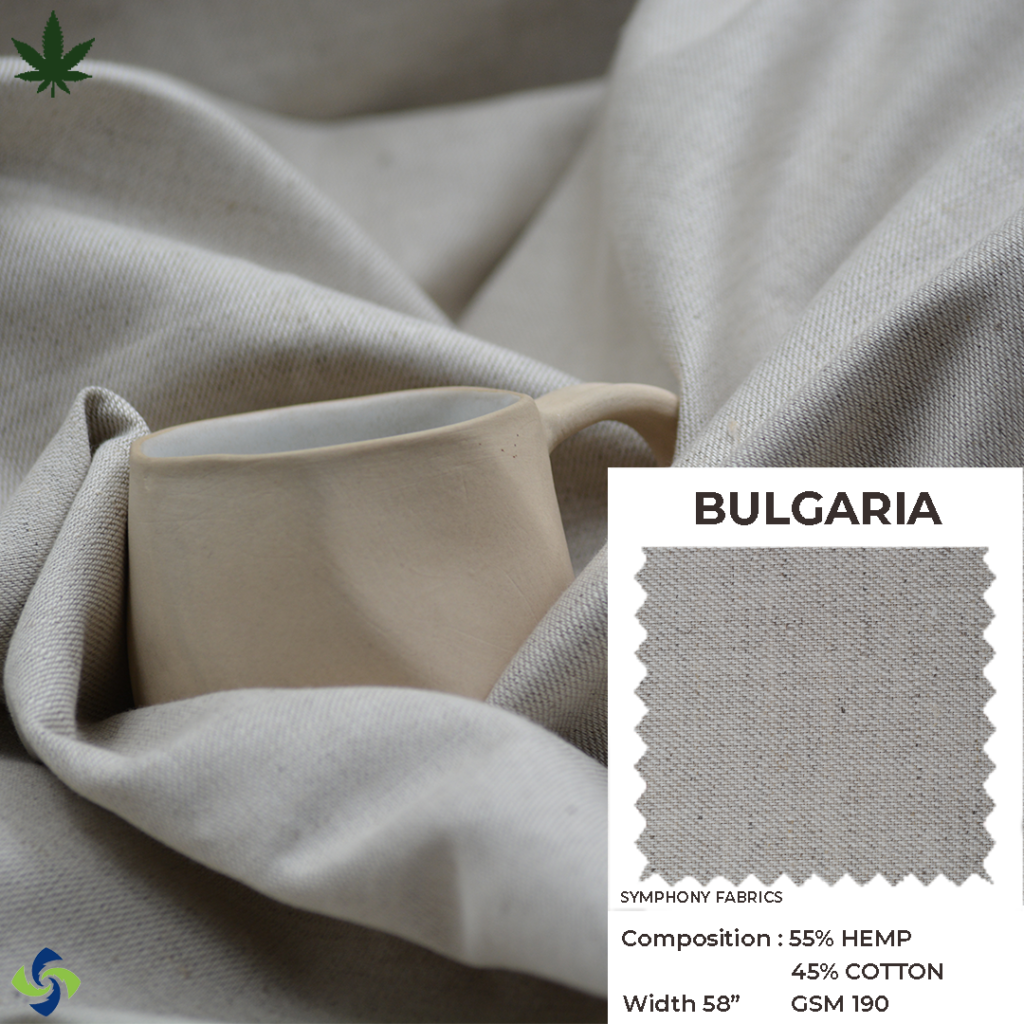
Hemp Linen Blend: A versatile layering option that merges hemp’s strength with linen’s breathability.
European Linen Fabric – Sourced from certified European Flax mills, known for superior quality and traceability.
One key certification to look for is Lenzing™, a badge that promises regenerated cellulose fibres that have been made through closed-loop manufacturing processes. Favouring Lenzing™ certified materials as part of the Findra solution, our fabrics (including Lenzing™ Lyocell and Lenzing™ Viscose) are better for the environment than standard fabrics – up to 99% of solvents used are recycled in a closed-loop system. Blended with organic cotton or hemp, Lenzing™ fibres bring performance characteristics like excellent moisture management and softness to the collection, making them perfect for layering pieces such as base layers in winter collections.
Organic corduroy sustainable winter fabrics are also durable. The dense, cut‑pile structure of corduroy means it is inherently durable & when cared for properly, garments will continue to provide comfort and satisfaction to their wearer for many years. Designers add to that subtle geometry when choosing among mid-to-heavyweight qualities in organic corduroy or hemp blends, leading to serious warmth and sleek silhouettes. That’s fewer replacements, less textile waste and a higher value product for the end customer — exactly what sustainability advocates would like to see.
Colour and styling reinforce this direction too. Now, this winter’s collective trend reports highlight earthy neutrals, deep greens, burgundy tones and rich blues — colours that appear at their best on corduroys and hemp blends when the texture catches light and shadow. The palettes, which complement nature-inspired branding, provide a seamless transition between menswear and womenswear activations.
Together with organic corduroy sustainable winter fabrics, investment in bamboo, hemp, linen blends and Lenzing™ certified Sustainable winter fabric options ensure that any brand or mill is positioned to satisfy expanding demands for transparency, durability and environmental responsibility going forward. With proven certifications, robust GTS verification and the enduring allure of natural textures, these fabrics present a credible building block for collections that want to be as responsible as they are desirable.”
Contact Symphony Fabrics today on Global Textile Source to discuss certified organic and sustainable fabrics for your winter 2026 collections.
Corduroys FAQ
What is the difference between GOTS Certifications?
So GOTS (Global Organic Textile Standard) is the most stringent standard, comprising requirements for organic fiber content, chemical control and social compliance in all stages of the supply chain.
When should a brand use GOTS?
Opt for GOTS when you need a fully organic product with stringent processing and social criteria, particularly for high-end or flagship lines.
Is Corduroy Fabric Good for Summer?
Yes, absolutely—provided you choose the right weight and weave. At Symphony Fabrics, we believe that style shouldn’t have to pause for the temperature controller.
In general, corduroy is usually identified as a “winter” fabric due to its weight. However, its suitability for summer wear is actually determined by the number of ridges per inch or the wale count.
The Wale is Key to Choosing the Right Wale: A high wale (16-21 ridges per inch) = summer. This is known as “Pinwale” or “Micro-cord” and is thinner, lighter weight and more breathable compared to the heavier 8-wale cords typically worn in winter jackets.
Corduroy Fabric – Materials Matter Too: Select your corduroy fabric based on 100% cotton or cotton/linen blends to let air flow through fabric. Synthetic polyester blended fabrics trap heat so they are not good choices for summer; look for natural fiber options.
Is organic corduroy really warm enough for cold weather?
Organic Corduroy is created by weaving together multiple fibres into the raised ribs of the completed product and trapping air. As a result, Corduroy has more insulation value and better wind–resistant properties than smoother cotton weaves. Corduroy, when properly cared for, will keep you warm during the winter months and allow the body to breathe.
Why choose sustainable organic corduroy instead of normal corduroy?
By using sustainable fibres and processes, Corduroys created from sustainable materials are better for the environment, do not contain harmful chemicals, and offer the same comfort as traditional corduroy.
How do I care for organic corduroy fabric so it lasts longer?
Proper care (gentle washing, low–temperature drying, and avoiding harsh chemicals) will preserve the pile height, colour depth, and overall durability of corduroy, allowing for continued use over several winter seasons.
is corduroy shirt good for summer?
Yes A corduroy shirt can actually be a summer wardrobe Material if styled correctly:
Using a Shacket as an outer layer: A lightweight corduroy shirt from Symphony Fabrics can be worn as an outer layer over a tank or tee unbuttoned to provide sun protection without the bulk of a denim jacket.
Moisture Management: The ridges in the material create a small air pocket between the skin and the shirt for airflow during warmer, more humid days.
Texture & Appeal: This shirt is a visual standout among the many flat-textured 100% linen or cotton tee option available in July.
Hemp Fabric FAQ
- We would suggest why not because it’s stronger compared to cotton, and fact says a hemp shirt can last 20 to 30 years.
- And it grows very easily with no chemical pesticides in it. That is good for your skin.
- It lets air pass through your body so it can breathe.
- It can feel a little firm at first, but after every wash it becomes softer rather than being weaker and This fabric might be costlier, yet it is worth it because less waste leads to more value.
- 3–4x stronger than Organic cotton
- Uses 50% less water than Organic cotton
- Naturally antimicrobial and breathable